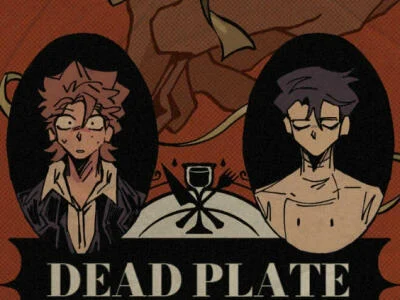
Dead Plate is a 2D horror RPG that blends restaurant management, visual novel storytelling, and point-and-click adventure. Set in late-1960s France, it follows Rody, a young waiter who takes a job at a fashionable bistro and quickly realizes the place is not as polished as it looks.
Across one tense week, you work the floor, deal with guests and staff, and uncover what is really happening behind the restaurant's elegant front. The horror builds gradually through atmosphere, character behavior, and the feeling that every shift is pushing Rody closer to something he may not be able to escape.
You play as Rody during a week of restaurant service, moving between routine duties, dialogue scenes, and moments of exploration. Progress depends on where you go, what you notice, and how you respond when the people around you start revealing their true intentions.
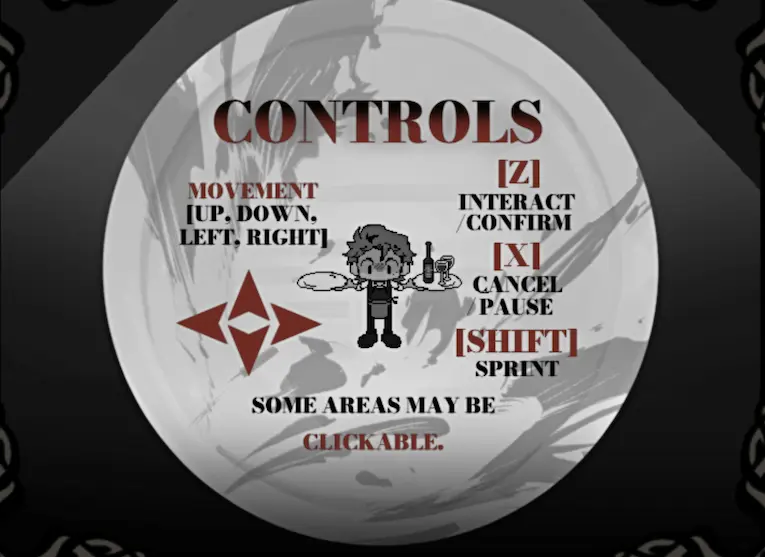
Controls
Input
Action
Arrow Keys
Move Rody through the restaurant, apartment, and exploration scenes
Shift
Run during service and faster movement sections
Z
Confirm, interact, pick up and serve items, and advance dialogue
Mouse
Used in some menus and can help with certain selections depending on the build, but the core game controls are keyboard-based
An in-game look at Dead Plate's keyboard-first control flow during restaurant service and exploration.
Tip: Pay close attention to dialogue and small changes in behavior. The game often signals important story turns before it explains them outright.
Week Structure
The story is built around a short stretch of days, so each shift matters. You are trying to earn money, keep your job, and make choices that affect both Rody's relationships and the direction of the story.
Handle service tasks while keeping up with the pace of the restaurant
Talk to other characters and make choices that shape later scenes
Explore different areas when the story opens them up
Decide how far to push once the restaurant starts to feel dangerous
Game Features
Psychological horror with a slow-building sense of dread
Restaurant management gameplay mixed with story progression
Visual novel dialogue and point-and-click exploration
Four endings shaped by your decisions
Hand-drawn scenes and a distinctive art style
A detailed late-1960s French restaurant setting
What Makes It Memorable
The restaurant setting feels fresh and gives the horror a strong identity
The tension comes from people as much as events which makes every interaction feel uneasy
The story changes based on your choices which makes replaying worthwhile
The art and tone work together well to make the whole week feel increasingly unsettling
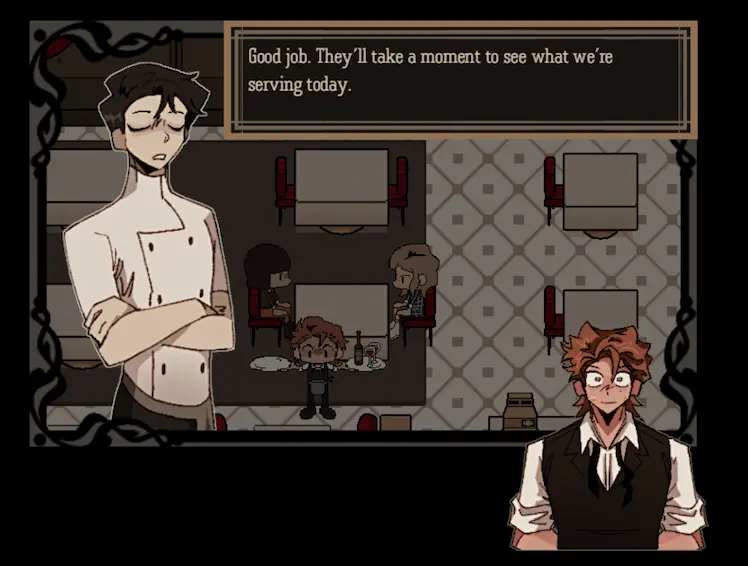
A look at Dead Plate's service-floor presentation, where calm restaurant routines gradually give way to pressure and unease.
Setting and Story Tone
The fine-dining setting works well here. The dining room looks refined, the service is controlled, and everything is meant to appear elegant, which makes the darker parts of the story hit harder. Beneath that surface, the game leans into obsession, pressure, and the sense that something is seriously wrong in the kitchen.
Rody starts with ordinary goals but gets drawn into a much darker situation
Chef Vince is central to the atmosphere and drives much of the unease
Personal motives matter so decisions rarely feel detached from the characters
The mystery unfolds step by step instead of revealing everything at once
Service Guide and Useful Details
It gets more interesting once you understand that the horror rides on top of a very specific restaurant workflow. Much of the pressure comes from repeating ordinary service tasks while the story gradually reveals that something is badly wrong behind the scenes.
Each shift follows a service loop where you seat guests, check party size, take course orders, deliver tickets to the kitchen pass, serve finished dishes, collect payment, clear tables, and manage trash before it blocks cleanup.
Customers can leave if service slips which costs you tips, cancels later orders, and may leave behind wasted food that has to be thrown away.
A dead plate is not just a title because it refers to a prepared dish that can no longer be served once the intended guest leaves.
The rhythm changes over the week as daily shifts open into apartment scenes, exploration, and story events that add more context to Rody, Vince, and the restaurant itself.
The tension comes from routine turning strange so the game works best when you pay attention to behavior changes, odd details in the kitchen, and small story interruptions during otherwise normal work.
Guide note: If a shift feels unusually slow, it often means a table, a bill, a dirty table, or the trash still needs attention before the day can move forward.
Why Players Keep Talking About It
The horror feels different from more typical haunted-house setups
The restaurant theme makes the game easy to remember
The art style gives it a clear personality
The cast helps carry the tension from scene to scene
Multiple endings encourage repeat playthroughs
The period setting adds texture without taking over the story
The pacing lets the dread build naturally
The story keeps revealing more as the week goes on
Gameplay Video
Frequently Asked Questions
What kind of game is Dead Plate?
It is a 2D horror RPG that combines restaurant management, visual novel storytelling, and point-and-click adventure. The focus is on atmosphere, character tension, and story choices.
How many endings does Dead Plate have?
It has four endings. The outcome depends on the choices you make over the course of the story.
Is Dead Plate based on jump scares?
Not mainly. The game leans more on psychological horror, atmosphere, and disturbing reveals than constant jump scares.
What does "dead plate" mean?
In restaurant terms, a dead plate is a finished dish that can no longer be served to its intended guest. In the game, that usually happens when someone leaves before their order reaches the table, turning the meal into waste.
What makes Dead Plate stand out?
Its mix of fine-dining routine, unsettling character dynamics, and slow-building horror gives it a tone that feels different from most indie horror games.